

For LED lighting applications, lighting installation and lighting intensity are key considerations for the end user. To meet these requirements, there are five principles to be aware of:
First of all, we should clearly recognize that one of the functions of lighting is decoration. For lighting designers, overly complicated lighting design is not advisable. In contrast, simpler lighting designs can bring out the beauty of a room. We call this the principle of simplicity.
Secondly, more complicated installation methods must consume more time and more manual installation costs. Therefore, for a smart end user, he or she will tend to choose lights based on where and how they are installed. We call this the principle of convenience.
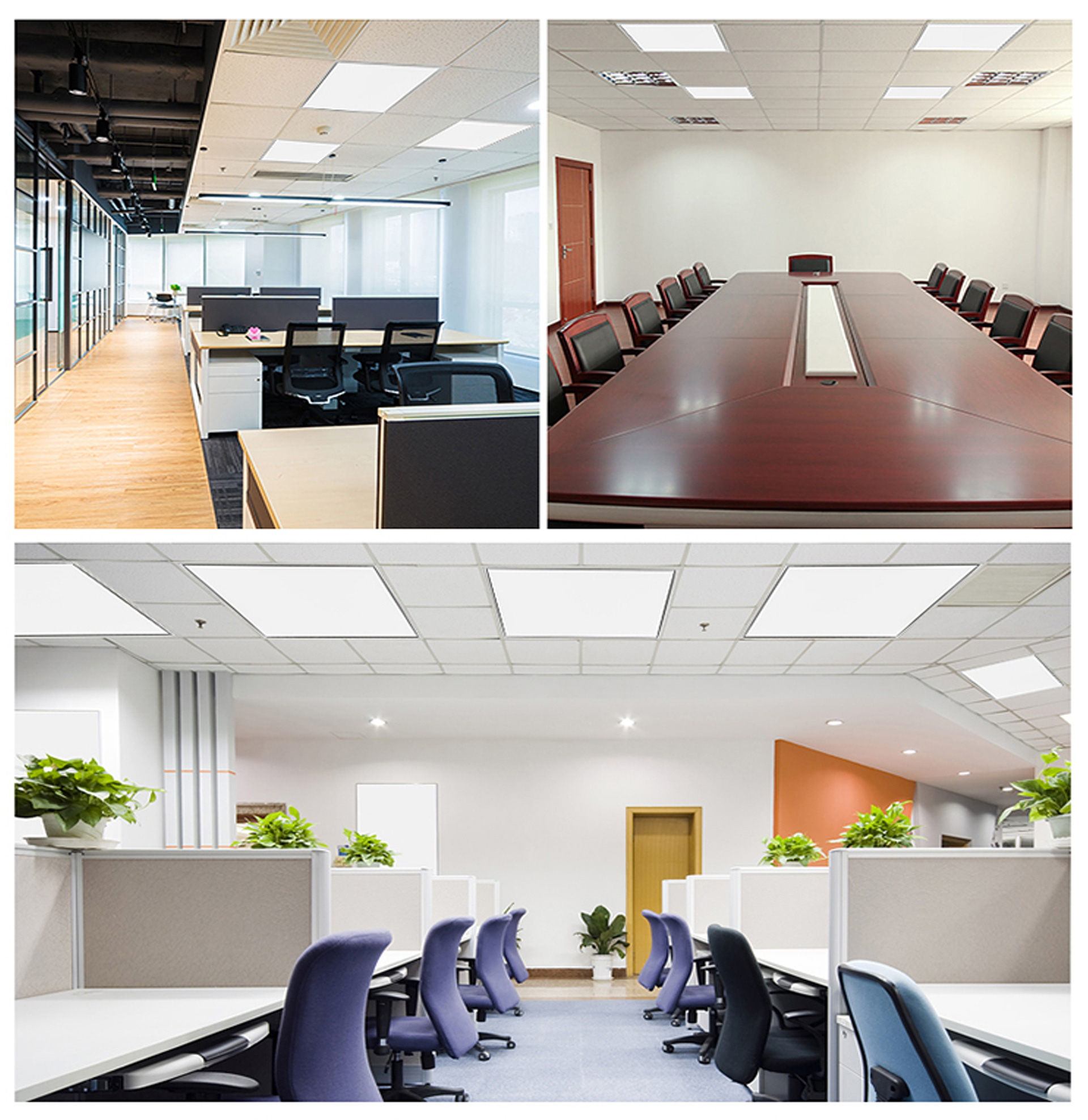
Third, saving electricity bills, the topic of energy saving is something we will never miss. Lamps with high lighting effects will greatly reduce power consumption, which will save more electricity bills. Therefore, the principle of energy saving is necessary for the end user.
Fourth, for the installation environment, we should consider the "safety first" principle. When we buy a lamp, we need to consider quality standards and warranty standards, because low-quality lamps have a great fire hazard when used.
Fifth, different environments have different requirements for lighting functions. For example, the hall should choose bright lighting; the living room should choose soft lighting; the children's room should choose colorful lighting; the bathroom should choose simplified waterproof lighting. We call this the functional principle.